Spring Repair Solutions for Concrete Damage Restoration
Spring is the perfect time for property owners to connect with local contractors who can restore concrete surfaces and enhance curb appeal for the season ahead.
Spring is a popular season for addressing concrete damage because it marks a period of renewed outdoor activity and property maintenance. After winter’s harsh weather, many property owners notice cracks, settling, or surface deterioration that can impact safety and curb appeal. Spring offers an ideal time to assess and plan repairs, ensuring that any damage is addressed before the warmer months encourage more frequent use of outdoor spaces. Additionally, the milder weather conditions make it easier for local contractors to perform repairs effectively, with less concern about freezing temperatures or heavy precipitation interfering with the work.
Concrete damage repair services typically cover a range of common issues that can develop over time. These include filling cracks, patching or resurfacing deteriorated areas, and stabilizing uneven or sinking slabs. Repair work may also involve addressing underlying issues such as soil shifting or drainage problems that contribute to ongoing damage. Local contractors often utilize various techniques and materials tailored to the specific needs of each property, helping to restore the integrity and appearance of concrete surfaces like driveways, patios, walkways, and foundations. Proper repair not only improves aesthetics but can also extend the lifespan of concrete features.
When exploring options for concrete damage repair, property owners can compare local contractors by reviewing their experience, available services, and reputation within the community. It’s helpful to ask about the types of repair methods used and to ensure that service providers have a clear process for assessing damage and recommending appropriate solutions. Visiting online profiles, reading customer feedback, and checking credentials can offer insights into the quality and reliability of local service providers. By considering these factors, property owners can find experienced contractors who are well-suited to handle the specific needs of their concrete surfaces and ensure the work is completed to a high standard.
Compare local contractors' expertise and experience to find the best fit for your spring concrete damage repair needs.
- Assessing Damage - Local contractors can evaluate the extent of concrete damage to determine appropriate repair methods.
- Surface Repairs - Service providers offer options for patching and sealing surface cracks to restore integrity.
- Structural Reinforcement - Professionals can reinforce or replace compromised concrete to ensure long-term stability.
- Preventative Maintenance - Local experts can advise on methods to prevent future damage and extend the lifespan of concrete surfaces.
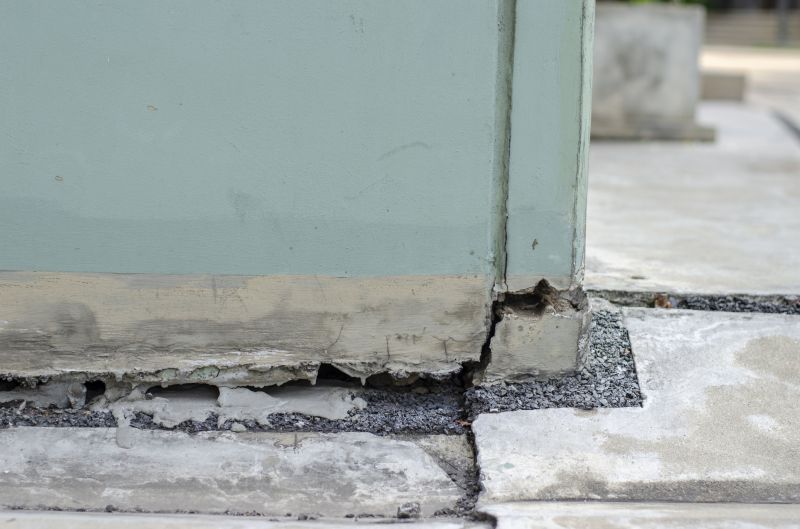
Before comparing options, clearly describe your concrete damage repair project to help find suitable local contractors.
- Inspect concrete surfaces for visible cracks, spalling, or surface deterioration that may need attention. - Look for areas where the concrete has become uneven or shows signs of surface chipping.
- Assess the extent of damage to determine if structural integrity is compromised or if surface repairs suffice. - Consider whether the damage appears superficial or if it affects the stability of the concrete.
- Identify areas with water pooling or excessive moisture that could contribute to further deterioration. - Check for signs of water damage or erosion around the concrete that may require drainage improvements.
- Examine control joints and expansion gaps for proper sealing and integrity. - Ensure joints are intact and free from debris or gaps that could allow water infiltration.
- Evaluate the surrounding environment for factors like vegetation or soil movement that may impact the concrete's condition. - Look for signs of shifting soil or plant roots exerting pressure on the concrete surface.
- Contact local contractors experienced in concrete repair to assess damage and recommend appropriate restoration solutions. - Seek out service providers who can perform repairs to restore the concrete’s durability and appearance.
Use this as a springboard to explore ideas and refine the scope with trusted local contractors.
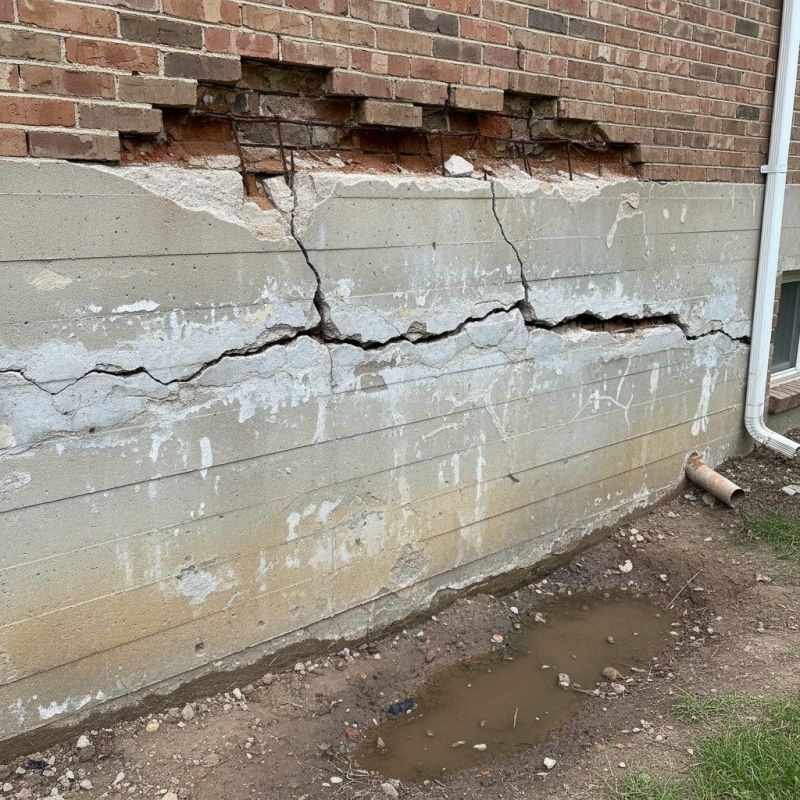
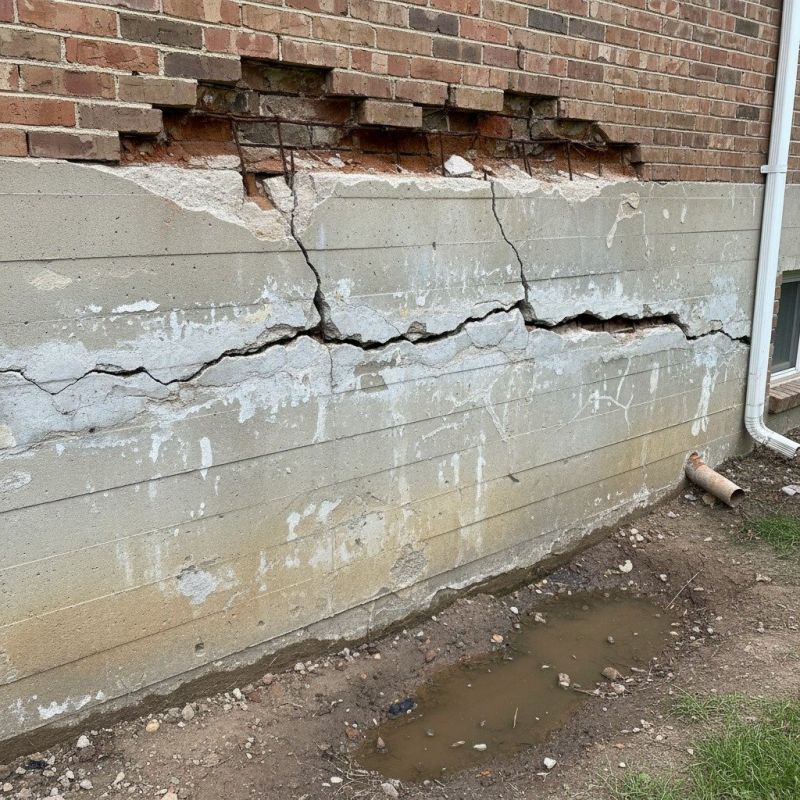
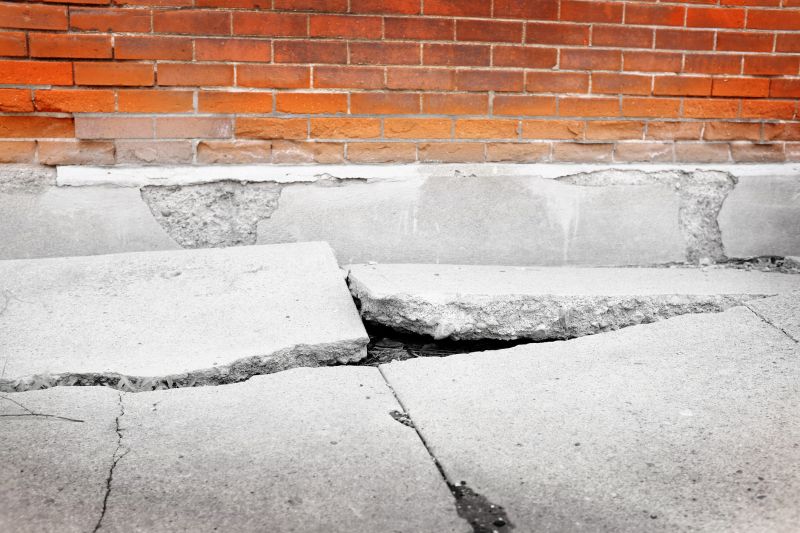
Prioritize your concrete repair needs and compare local contractors to find the best fit for your spring project.
- Concrete Crack Repair - Spring is an ideal time to address cracks that have developed over the winter, with local contractors offering repair solutions to restore structural integrity.
- Surface Leveling and Patching - Repairing uneven or damaged concrete surfaces can improve safety and appearance for walkways, driveways, and patios.
- Sealant Application - Applying sealants in spring helps protect concrete from moisture and weather-related damage throughout the warmer months.
- Structural Damage Assessment - Service providers can evaluate existing concrete for signs of damage and recommend appropriate repair methods to prevent further deterioration.
- Expansion Joint Repair - Restoring or replacing expansion joints ensures proper movement and prevents cracking due to temperature changes during spring.
Compare concrete damage repair options from trusted local contractors to ensure consistent quality and reliable results.
- Assessment of Damage - Clearly identify the extent and type of concrete damage to determine appropriate repair methods.
- Material Selection - Specify the suitable repair materials that match the existing concrete in composition and durability.
- Preparation Procedures - Define the necessary surface preparation steps to ensure proper adhesion and long-lasting repairs.
- Repair Techniques - Outline the appropriate repair methods, such as patching, sealing, or reinforcement, based on damage type.
- Quality Standards - Establish criteria for repair quality, including surface finish, bonding, and structural integrity.
When evaluating service providers for concrete damage repair during the spring season, it’s important to consider their experience with similar projects. Homeowners should seek out local contractors who have a proven track record of handling concrete repairs in environments comparable to their own, whether it involves cracks, spalling, or uneven surfaces. An experienced pro will understand the common causes of damage in spring, such as freeze-thaw cycles, and be familiar with effective repair techniques that ensure durability and longevity. Reviewing a contractor’s portfolio or asking about past projects can provide insight into their familiarity with specific types of concrete issues typical of the season.
Clarity in the scope of work is essential to making an informed decision. Homeowners are encouraged to seek service providers who can clearly articulate what the repair process will entail, including surface preparation, materials used, and the expected outcomes. A well-defined scope helps prevent misunderstandings and ensures that both parties are aligned on project expectations. Contractors who can provide detailed descriptions of their approach demonstrate professionalism and a thorough understanding of concrete repair needs, which is especially valuable during spring when planning for ongoing outdoor use.
Work planning considerations play a significant role in choosing the right local contractor for spring repairs. Homeowners should inquire about how the service provider plans to approach the project, including scheduling around weather conditions, site preparation, and any necessary permits or access considerations. A contractor with a thoughtful plan can help mitigate potential delays caused by spring weather variability, ensuring the repair work proceeds smoothly. Understanding their approach to project management can also reveal their level of organization and commitment to completing the repair efficiently and effectively.
When comparing options among local service providers, homeowners should evaluate their experience, clarity of scope, and work planning approach without focusing solely on pricing. Asking about previous projects, requesting detailed work descriptions, and understanding how each contractor plans to manage the repair process can help identify the most suitable professional for the job. This approach ensures that the chosen service provider is capable of delivering quality results tailored to the specific needs of a springtime concrete repair project, helping homeowners make confident, well-informed decisions.
Ask for written scope details to ensure clarity and consistency when planning concrete damage repairs this spring.
- **Scope of Damage Assessment** - What specific types of concrete damage do local contractors typically handle during repairs?
- **Repair Methods Comparison** - How do different service providers approach concrete patching, crack filling, and surface restoration?
- **Material Selection Guidance** - What types of repair materials do local pros recommend for durability and seasonal conditions?
- **Project Scope Definition** - How can homeowners clarify the extent of concrete repair work needed before engaging local contractors?
- **Seasonal Planning Considerations** - What seasonal factors should be considered when scheduling concrete damage repairs in spring?
What causes concrete damage over time? Concrete can develop damage due to factors like freeze-thaw cycles, heavy loads, or exposure to moisture, leading to cracks and deterioration that require repair.
How can I tell if my concrete needs repair? Visible cracks, spalling, uneven surfaces, or water pooling are common signs that concrete damage may need attention from local contractors.
What repair options are available for damaged concrete? Repair methods include crack filling, surface patching, leveling, or full replacement, depending on the extent of the damage and the specific project needs.
Are there seasonal considerations for concrete repair in spring? Spring is a good time for concrete repair as milder weather allows for proper curing and adhesion, making it ideal for planning restoration projects.
How do local service providers handle concrete damage repairs? Local contractors assess the damage, recommend suitable repair techniques, and execute the work using industry-standard practices to restore concrete integrity.
What are the benefits of repairing concrete damage in spring? Repairing in spring can help prevent further deterioration during the warmer months and prepare surfaces for upcoming outdoor activities or renovations.
Understanding the importance of addressing concrete damage early can help prevent further deterioration and maintain the integrity of your surfaces. During spring, many homeowners consider repairs to refresh outdoor spaces and prepare for the seasons ahead. By exploring options, you can find experienced local contractors who specialize in concrete damage repair, ensuring the job is handled effectively and efficiently.
Taking the time to compare local service providers allows you to find the right match for your concrete repair needs. Use the quote form to connect with trusted local contractors who can provide tailored solutions. This approach helps you make informed decisions and select the best professional for your project.
Providing clear details about your concrete damage repair project helps local contractors understand your needs and plan effectively.
- Types of Damage - details about the specific kinds of concrete damage, such as cracks, spalling, or surface deterioration.
- Repair Methods - descriptions of common repair techniques used by local contractors, including patching, sealing, or resurfacing.
- Materials Used - information about the types of materials that are typically applied in concrete damage repair projects.
- Preparation Needs - insights into the preparation steps required before repair work can begin, such as cleaning or surface assessment.